



Metal siding on the rise: How performance, data and design are reshaping exterior walls
By Heidi J. Ellsworth.
Fire resistance, durability and design innovation are driving new demand.
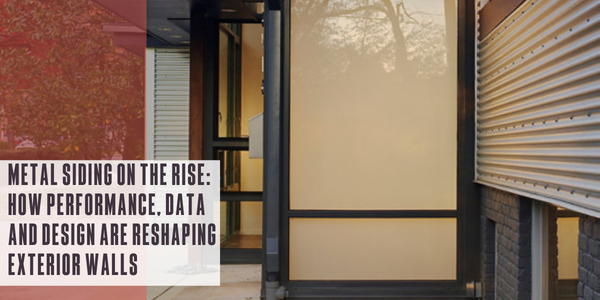
Metal siding is experiencing significant growth across residential and light commercial construction, and the reasons go far beyond aesthetics. In 2026, homeowners and contractors are increasingly choosing metal wall systems because they solve some of the biggest challenges facing building exteriors today: fire, pests and rot. What is especially notable is that this shift is not just anecdotal; it is backed by steady market growth and changing homeowner priorities.
Globally, the metal siding market is growing at an estimated five to six percent annually, with steady expansion expected over the next decade. In the United States, growth is more measured, reflecting a mature market, but the real momentum is happening in higher-end residential applications where metal siding is gaining share due to performance, longevity and design flexibility.
Unlike traditional materials, metal siding is non-combustible, making it an important option in areas where fire risk is increasing. It also resists insects and pests and eliminates the risk of rot caused by moisture exposure. These performance advantages are aligning with a market that is prioritizing long-term durability and reduced maintenance, especially among homeowners investing in remodels and “forever homes.”
At the same time, the broader siding market continues to grow at approximately four to five percent annually, driven largely by residential remodeling and exterior upgrades. Within that growth, metal siding is carving out a larger role, particularly in premium segments where homeowners are willing to invest more upfront for lower lifetime costs and better performance.
Equally important is what is happening on the roofing side of the metal market. Metal roofing is not only growing; it is outperforming many traditional roofing materials and is projected to exceed five billion square feet of volume by 2029, with residential applications representing the majority of that demand. This growth is driven by the same factors influencing siding, including durability, sustainability, insurance considerations and long-term value.
What is accelerating adoption across both roofing and siding is the rapid evolution of color, coatings and profiles. Contractors and homeowners are no longer limited to basic painted panels. Today’s metal systems offer an expanding range of matte finishes, textured coatings and nature-inspired colors such as charcoals, slate grays, greens and patina-style metallics that are seeing the fastest growth in demand. Matte and low-gloss finishes in particular are gaining popularity because they reduce glare, hide handling marks and elevate the perceived quality of both roofing and siding systems.
Advanced coating technologies are playing a central role in this transformation. Modern coil coating processes create highly durable, factory-applied finishes that bond tightly to the metal surface, improving corrosion resistance and long-term performance. These coatings also enable printed and textured designs that realistically replicate wood grain, stone, tile and even traditional siding profiles, allowing metal to deliver both performance and aesthetics.
Companies like Sherwin-Williams are leading this innovation with advanced coil coating systems that provide UV resistance, fade protection and long-term color retention while supporting a wide range of architectural finishes. At the same time, manufacturers such as Central States Manufacturing are bringing these innovations to market through finished metal siding and roofing panels that incorporate these new colors, textures and profiles into complete building envelope systems.
This is an important distinction. While some companies in the supply chain focus on coated coil, manufacturers like Central States are delivering ready-to-install siding and roofing systems that allow contractors and homeowners to take full advantage of these design advancements in real-world applications.
For contractors and homeowners, metal siding represents a shift in thinking. It is no longer a niche or purely commercial solution. It is a high-performance, design-forward option that meets the demands of modern construction while delivering resilience against fire, pests and moisture-related deterioration.
As fire resilience, durability and long-term value continue to shape building decisions, metal siding and roofing are positioned to play an even larger role in the future of exterior design. The data supports what many contractors are already seeing in the field. This is not a short-term trend; it is a long-term shift toward better-performing materials that also meet the growing expectations for design and aesthetics.
To learn more about these innovations, visit the directories for Sherwin-Williams and Central States Manufacturing on MetalCoffeeShop.com and RoofersCoffeeShop.com.
Learn more about Sherwin-Williams Coil Coatings in their Coffee Shop Directory or visit www.industrial.sherwinwilliams.com.
About the author

As CEO of The Coffee Shops, Heidi has been working and writing in the construction industry for over 30 years. She is active in many associations including founding National Women in Roofing and Roofing Technology Think Tank (RT3). She is passionate about helping to shine a light on the construction industry and creating win-win-win scenarios!
Recommended For You
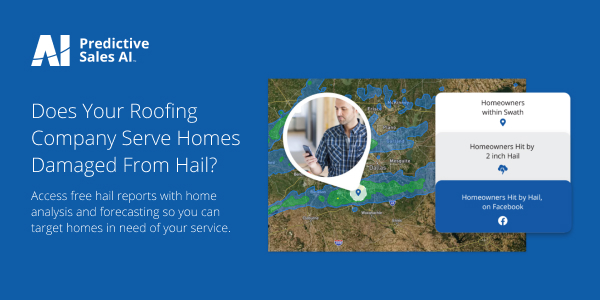
Contractors: Be Up to Date With Hail Alerts!
Read More ...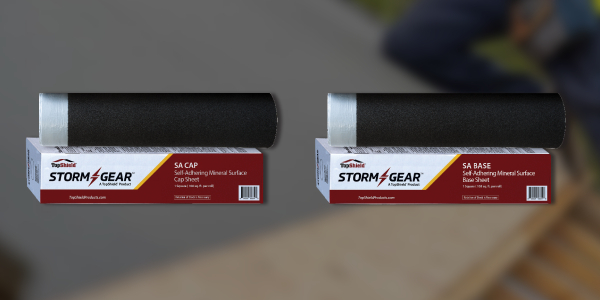
StormGear™ roofing solutions: SA Cap and SA Base
Read More ...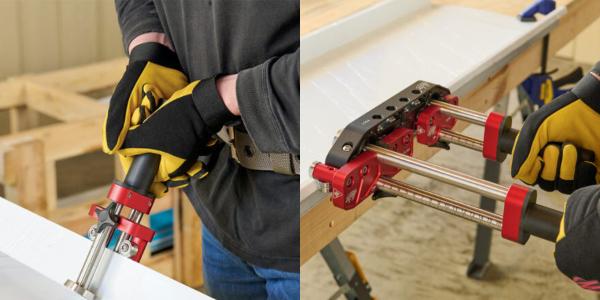
Introducing the all-new modular metal benders from Malco!
Read More ...
UP TO THE MINUTE




Comments
Leave a Reply
Have an account? Login to leave a comment!
Sign In