



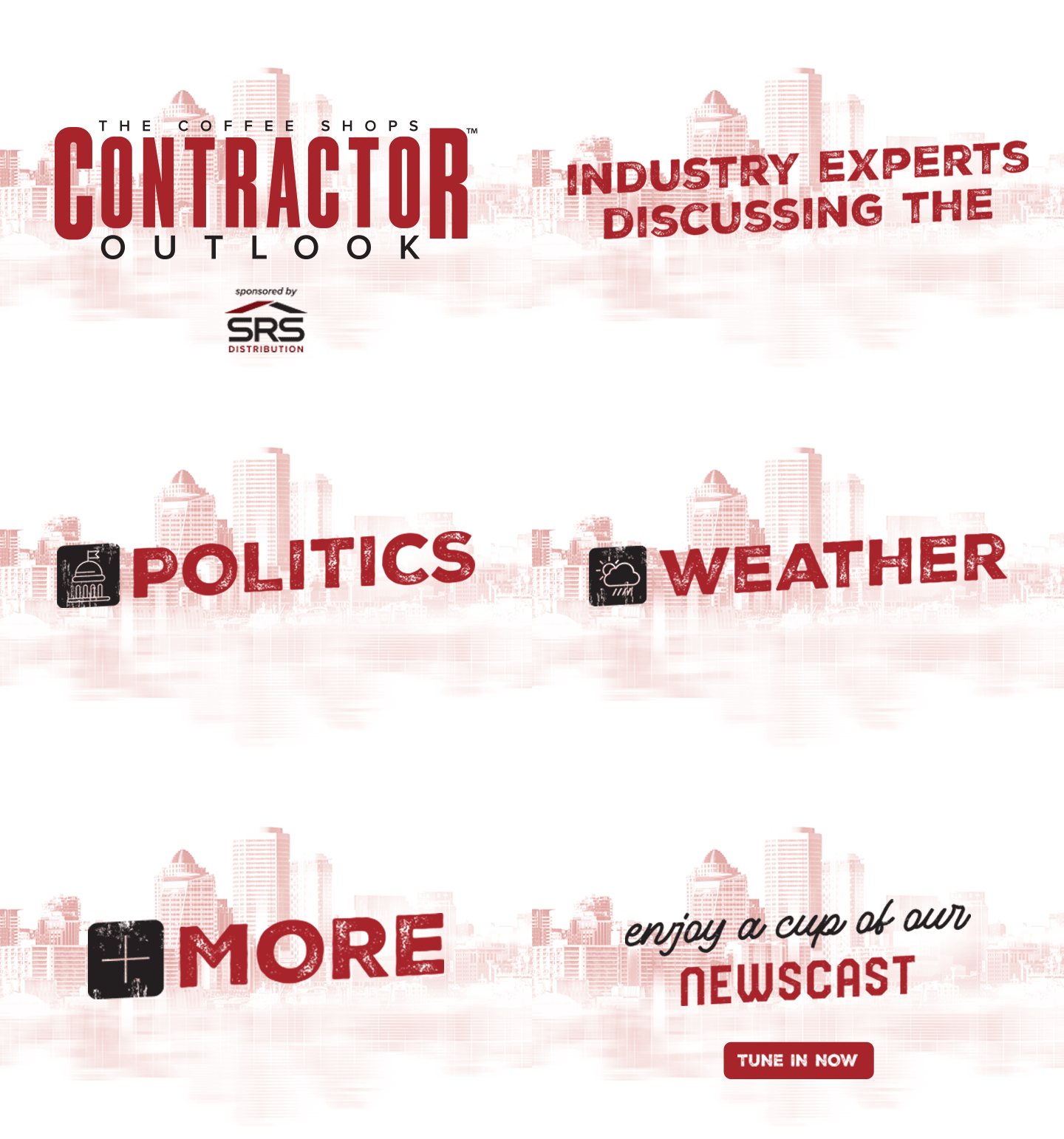
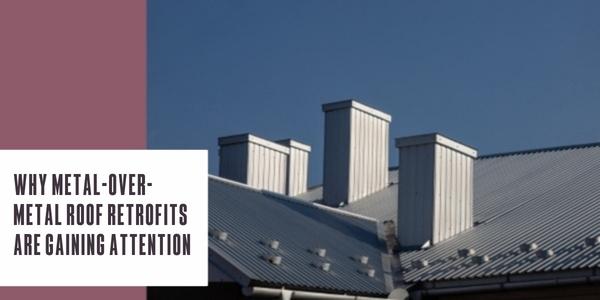
Why metal-over-metal roof retrofits are gaining attention
By Jesse Sanchez.
Metal-over-metal retrofit systems help address aging roofs while meeting modern structural and code requirements.
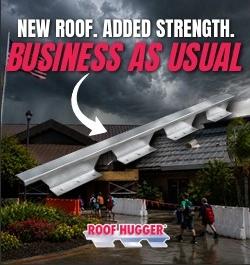
Across the United States, a large portion of installed metal roofs are growing closer to the end of their service lives. Data compiled from the Metal Building Manufacturers Association (MBMA) shows that billions of square feet of metal roofs were installed between the 1970s and late 1990s, meaning many are now between 25-50 years old. For manufacturers such as Roof Hugger, this aging building stock represents a significant opportunity for offering metal-over-metal retrofit systems that extend roof performance without requiring a complete tear-off.
The scale of this market is substantial. Estimates indicate there were roughly 24.3 billion square feet of metal roofing constructed during those decades, along with approximately 1.9 billion square feet of metal roofing used on U.S. military facilities. As these systems age, building owners increasingly face decisions about whether to repair, recover or replace existing roofs.
One factor influencing those decisions is modern building code compliance. Many older metal buildings were designed with purlin spacing of five feet or more, a configuration that may not meet current wind load and snow drift design requirements. Retrofit framing systems can help address this issue by reducing attachment spacing so new metal panels meet contemporary code expectations for edge zones, corner zones and field-of-roof conditions.
Contractors evaluating retrofit projects typically begin by assessing the condition of the existing structure. This process may include examining purlins for corrosion, determining whether penetrations such as skylights are still required and evaluating insulation or sound concerns inside the building. Walking the roof and speaking with the building owner about current performance problems also helps determine whether repair or a full recover is the best approach.
Several structural panel options are available for recover systems. Trapezoidal panels are generally the most economical and work well on simpler roof geometries with minimal penetrations. Vertical ribbed asymmetrical panels are often used on more complex roof layouts with hips or valleys. Symmetrical standing seam panels typically offer the highest wind uplift resistance and improved watertightness, though they require additional material and installation complexity.
A metal roof that has reached the end of its service life is no longer a crisis point for a building, it’s simply the next chapter waiting to be written. With a properly engineered retrofit system, that tired old roof becomes the foundation for a modern, code‑compliant metal roof designed to perform for 50 years or more. The transformation doesn’t just protect the structure; it breathes new life into the entire building, turning what once felt like an aging liability into a renewed, long‑term asset. And in an era when new construction costs continue to climb at a staggering pace, revitalizing an existing building can be one of the smartest and most valuable investments an owner can make.
Learn more about Roof Hugger in their Coffee Shop Directory or visit www.roofhugger.com.
About the author

Jesse is a writer for The Coffee Shops. When he is not writing and learning about the roofing industry, he can be found powerlifting, playing saxophone or reading a good book.
Recommended For You
Checking in with Chicago Metal Supply at IRE 2024!
Read More ...
A booth to remember at IRE 2026
Read More ...
Warranty safe cleaning solutions
Read More ...
UP TO THE MINUTE





Comments
Leave a Reply
Have an account? Login to leave a comment!
Sign In