











Downtime is preparation time
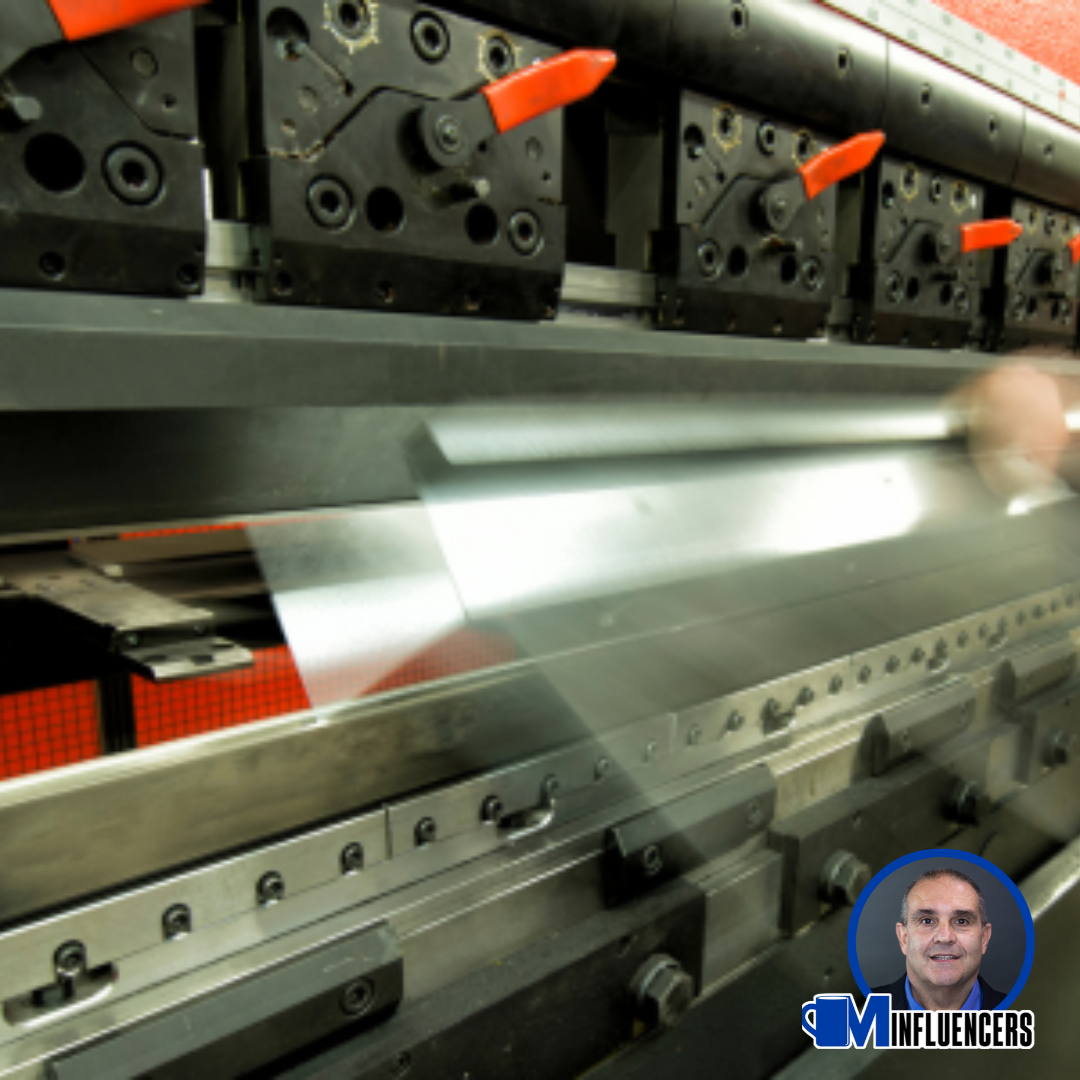
MCS Influencer John Kenney suggests reviewing the last season and planning for the next.
Seasonal slowdowns and weather delays are part of construction. We cannot control all of them, but we can control what we do with the time. For metal contractors, that time is especially useful because equipment condition directly affects production. Brakes, shears, roll-forming equipment, power tools, batteries and other fabrication equipment need regular attention. When equipment is neglected, the consequences eventually show up somewhere, whether through lost production time, inconsistent fabrication, premature wear or crews standing around waiting for something to be repaired.
Maintenance should not begin when the equipment fails. A slower production period gives contractors the opportunity to inspect equipment before problems become emergencies. Cleaning, lubrication, adjustments, calibration and scheduled repairs are easier to handle when a machine is not needed immediately on a project.
The same thinking applies to smaller tools. Crews become accustomed to working around damaged cords, worn blades, weak batteries, missing guards and other problems because they are trying to keep production moving. Those workarounds can become normal if management never creates time to correct them. That is why equipment care also needs to be part of training. Employees should understand more than how to operate a tool. They should know how to inspect it, clean it, store it properly and recognize when something is no longer performing the way it should. The person using the equipment every day is often the first person who can identify a developing problem.
Seasonal conditions also require planning. Contractors operating in cold climates may need to address storage, batteries, fluids and equipment that will sit for extended periods. Material-handling and fabrication equipment should be protected according to the equipment manufacturer's requirements and the conditions where it is stored. But equipment maintenance should only be part of the plan.
A slowdown is also an opportunity to work on crew capability. Cross-training employees, reviewing installation details, strengthening safety practices and teaching employees how different parts of the operation fit together can produce benefits long after the slow period ends. This is particularly important in metal work, where quality depends heavily on workmanship. Small mistakes in measurement, fabrication or installation can become expensive once material has been formed or installed. Contractors can also use this period to review what happened during the previous production cycle. Which equipment caused delays? Where were crews losing time? What tools were repeatedly unavailable? Were there fabrication mistakes that should have been caught earlier? Were field crews waiting for material or information? Those questions turn downtime into operating improvement.
One thing I have learned over the years is that busy periods rarely give you enough time to fix everything that needs fixing. When production is running hard, the priority is getting the work completed. That makes the slower period the right time to address the problems everyone noticed but did not have time to solve. Downtime does not have to be lost time. Used correctly, it is preparation time. When the next busy season arrives, the contractor with maintained equipment, trained crews and better processes is ready to produce. The contractor who simply waited for work to pick back up is starting the season by trying to catch up.

UP TO THE MINUTE






Comments
Leave a Reply
Have an account? Login to leave a comment!
Sign In