





Helping homeowners address roof resiliency
By Robin Anderson, technical and strategy development manager, Westlake Royal Building Products.
Roofing contractors can help homeowners navigate and break the re-roofing cycle through inspections, education and upgrades.
Severe weather events are no longer restricted to oceanfront homes in Florida. From severe storms that are reaching farther inland to wildfires raging in a growing number of states across the country, more and more areas are experiencing the impacts of extreme weather and climate conditions.
Whether they’re dealing with repeated repairs, facing higher insurance rates or simply worried for their families’ well-being, many homeowners are increasingly growing worried and weary. Roofing contractors can serve as trusted advisors to guide homeowners through the decision process and can help drive greater peace of mind by providing options for more-resilient roofing solutions.
Why Is resilient roofing so important?
Upgrading to high-performance roofing systems with higher ratings against wind, hail and wildfires delivers mutual value for contractors and homeowners, including:

- Ending the early replacement cycle: For homeowners in high-risk areas, the worry about how their roof will perform and whether they will have to replace it sooner than they should (or again, for some) looms large. Resilient roofing options provide greater confidence that the system will endure the test of time.
- Reducing the risk of damage to the entire home: Not only is the roof the first line of defense, even a small damaged area can expose the rest of the home to rain and wind, leading to leaks, rot or structural issues, so inspecting the roof before and especially after events can help secure the home against greater damage. Providing a high-performance option when replacement is necessary can strengthen the defenses for the future.
- Reducing the risk of ember ignition and flame spread during wildfires: Coupled with other exterior features, a classified roof assembly can help prevent blowing embers from getting into the home’s structure and can help protect other houses nearby from further spread.
- Reducing insurance costs: In many areas of the country, insurance providers are raising rates or pulling coverage altogether. Some insurance companies require or give discounts for resilient roofing assembly materials.
- Increasing return on investment: The upfront costs of a new roof may elicit sticker shock, but it’s important to educate homeowners on the potential long-term savings of resilient roofing. Lower-cost roofing options often have a shorter life expectancy and may not perform as well in extreme weather. Investing in a longer-lasting roof that is highly rated for wind, hail and wildfires can pay off in the long run.
- Driving word-of-mouth: Homeowners are looking for better solutions, and contractors who understand more resilient roofing options will stand out. Ensure your team is up to speed on roofing options designed to better withstand your area’s weather extremes and is prepared to educate homeowners on what wind, hail and fire ratings mean for their home.
Resilient roofing options to consider
The great news for homeowners is that upgrading to a resilient roof doesn’t require sacrificing style or aesthetics. Options abound for high-performing products that replicate the look of traditional shakes, slates, shingles and tile. A few resilient materials to consider include:
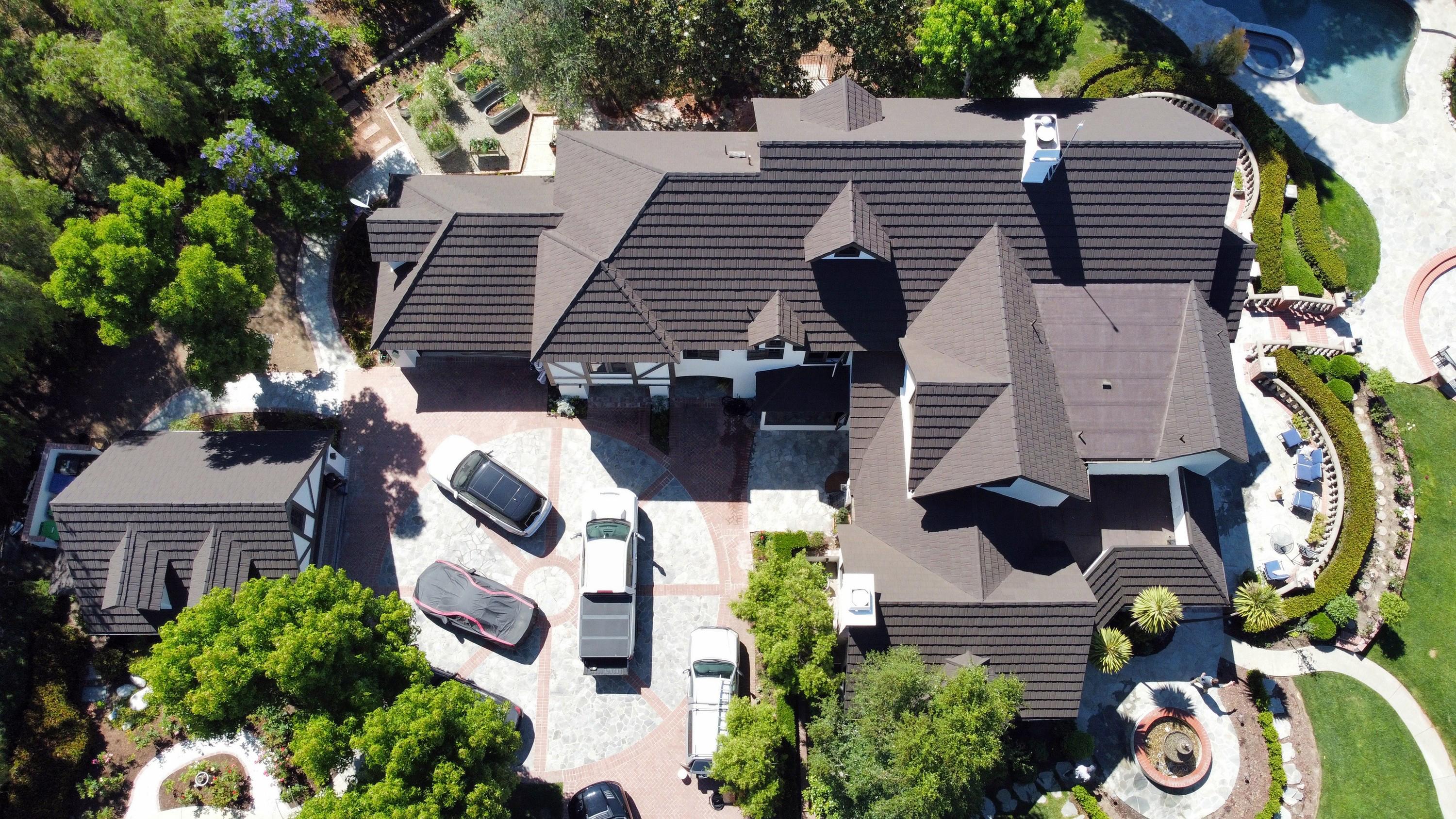 Unified Steel stone coated steel is a strong option for assemblies that are tested for wind, impact and fire performance. Depending on the product, assembly, fastening method and applicable evaluation, available classifications may include wind performance for high wind regions, a Class 4 impact rating, a Very Severe Hail classification and a Class A fire classification. See it in action in the photo to the right. (Current product documentation, evaluation reports and installation instructions should be reviewed to confirm the ratings and project requirements.)
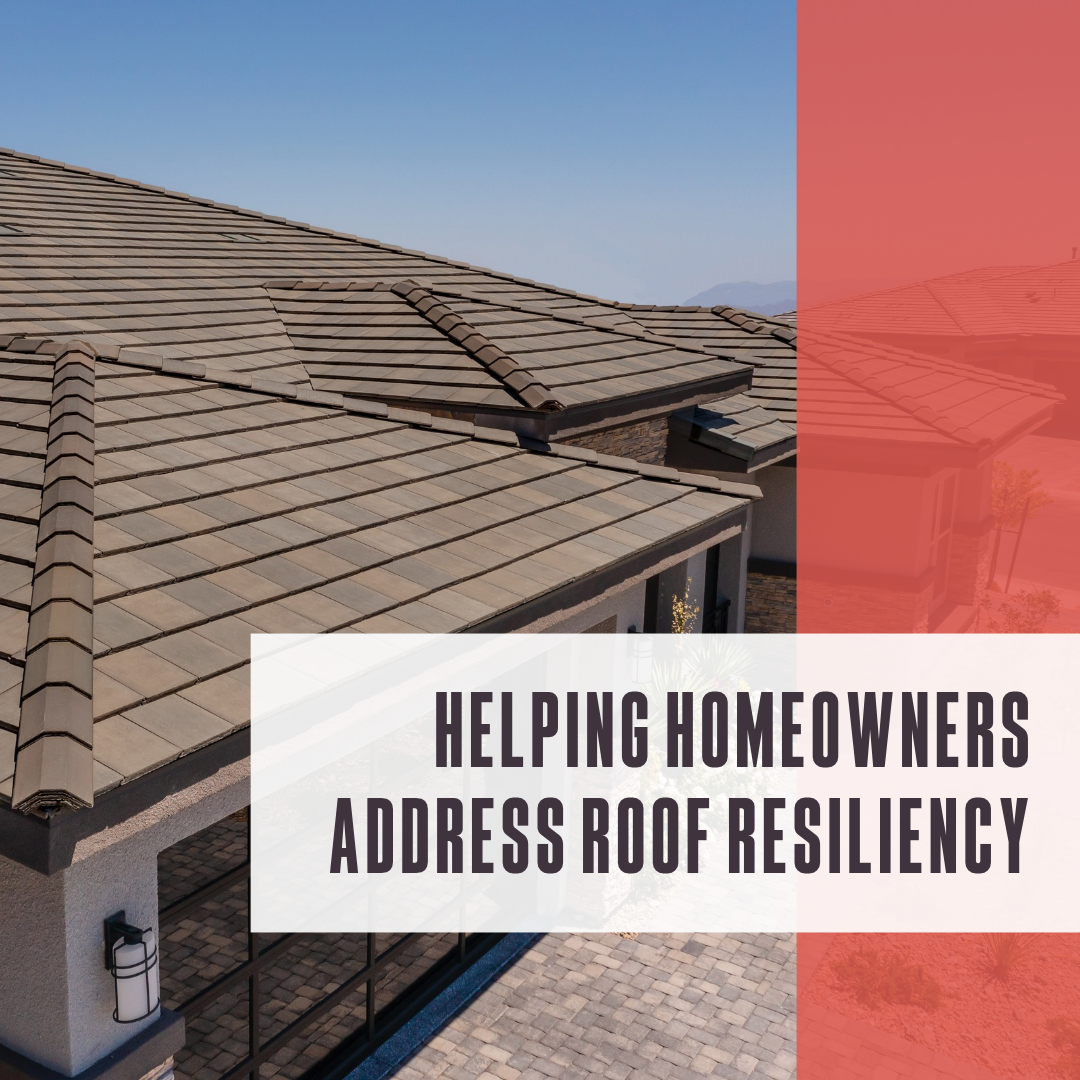
- US Tile concrete and clay tile provide durable cladding options with wind, impact and fire performance that depends on the specific product, attachment method, roof assembly and applicable evaluation. Available classifications may include wind performance for high wind applications, a Class 4 impact rating and a Class A fire classification. See it in action in the cover photo at the top of the article. (Current product documentation, evaluation reports and installation instructions should be reviewed to confirm project-specific requirements.)
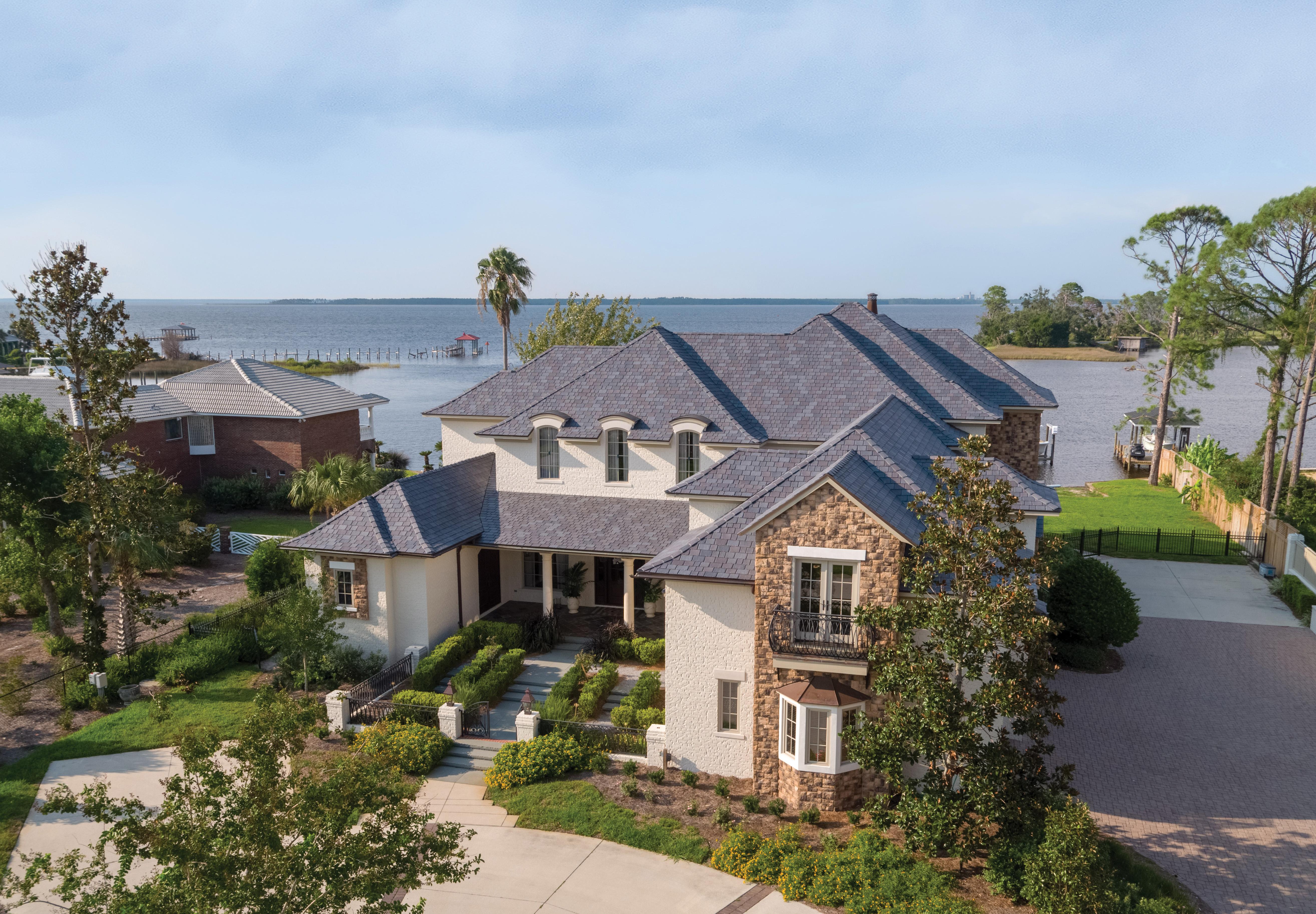 DaVinci Roofscapes composite shake and slate roofing features distinctive aesthetics along with tested wind, impact and fire performance for appropriately designed and installed assemblies. Depending on the product and assembly, available classifications may include wind ratings up to 180 mph, a Class 4 impact rating and a Class A fire classification. In the photo to the right, you can see a DaVinci Roofscapes composite roof. (Current product documentation and evaluation reports should be reviewed to confirm the applicable ratings, assembly requirements and installation details.)
Contractors are a key resource
For homeowners concerned about looming storm threats, roofing contractors are well positioned to help homeowners navigate and break the re-roofing cycle through inspections, education and upgrades. And be sure to lean on your manufacturer partners, who are ready to provide support through training, education, product samples and more.
Learn more about Westlake Royal Building Products/Roofing Solutions in their Coffee Shop Directory or visit www.westlakeroyalroofing.com.
Recommended For You

Single-ply retrofits and smarter metal roof design
Read More ...
New XL Gutter from MTL Holdings is the Largest GT-1 Tested System on the Market
Read More ...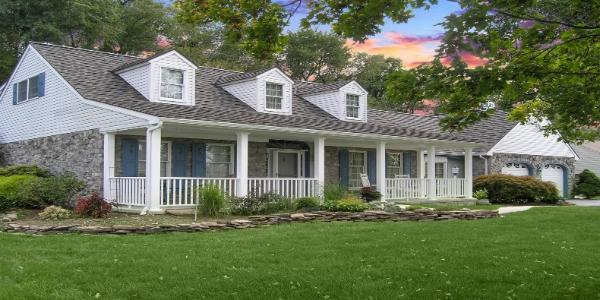
Understanding Metal Shingle Roofs
Read More ...
UP TO THE MINUTE




Comments
Leave a Reply
Have an account? Login to leave a comment!
Sign In