


Ideal roof slopes for metal roofs
By RPS Metal Roofing.
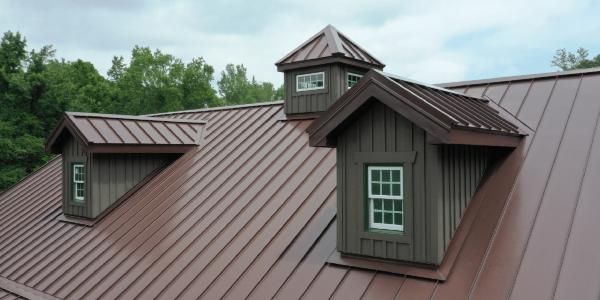
Designing a metal roof for a home or commercial building requires consideration of the roof’s slope.
The slope of a roof, or the pitch, refers to the angle at which the roof rises in comparison to the horizontal length. Slope is an incredibly important part of the roof that contractors must keep in mind when deciding which materials and installation methods to use. The metal roofing experts at RPS Metal Roofing share their insights.
Minimum slope for metal roofing
The minimum slope for most metal roofing is 3:12. This means for every 12 horizontal inches, the roof rises by 3 inches. At this slope:
Water runoff is effective enough to prevent pooling.
There’s less chance of wind-driven rain getting underneath the panels.
However, some types of metal roofing can be installed on low-sloped or nearly flat roofs, but special considerations, like seam type and underlayment, are necessary.
Recommended slopes
While 3:12 might be the minimum for many metal roofs, sometimes a steeper slope is recommended:
- Aesthetics: A steeper pitch can enhance the architectural appeal of certain building styles.
- Snow regions: In areas that receive heavy snowfall, a steeper slope helps in shedding snow more efficiently.
- Longevity: Faster water runoff usually means less wear and tear over time.
Special considerations for low-sloped roofs
If you’re considering installing metal roofing on a low-sloped roof (between 0.5:12 and 3:12), keep the following in mind:
- Standing seam roofs: These roofs have interlocking panels that create raised seams, which are ideal for low slopes as they provide excellent watertightness.
- Underlayment: A high-quality underlayment that’s self-adhering and waterproof is essential for low-sloped roofs to prevent potential leaks.
- Maintenance: Regular maintenance and inspections are even more crucial for low-sloped roofs to ensure there’s no debris buildup or water pooling.
Beyond the slope
While slope is vital, other factors also play a role in a metal roof’s performance:
- Material quality: High-quality metal that’s properly coated can help prevent rust and increase longevity.
- Installation: Even the best roofing material can fail if not installed correctly. Always hire an experienced metal roofing contractor.
- Ventilation: Proper attic ventilation ensures that moisture doesn’t build up underneath the metal, which can lead to condensation and potential water damage.
The slope of a metal roof plays a significant role in its performance and longevity. While there are minimum requirements to ensure effective water runoff, the ideal slope for a metal roof can vary based on aesthetic desires, regional weather conditions and building style. Always consult with an experienced roofing professional when considering a metal roof for your building or home.
Original article source: RPS Metal Roofing
Learn more about RPS Metal Roofing & Siding in their Coffee Shop Directory or visit www.rpsmetalroofing.com.
Recommended For You

Effective succession planning: A vital strategy for business continuity
Read More ...
Start learning today with Building Products University
Read More ...
Moving into metal manufacturing
Read More ...
UP TO THE MINUTE



Comments
Leave a Reply
Have an account? Login to leave a comment!
Sign In