







Steel coil service centers power the growth of metal buildings and fabrication
By Heidi J. Ellsworth.
How service centers are driving speed, customization and regional growth across metal construction.
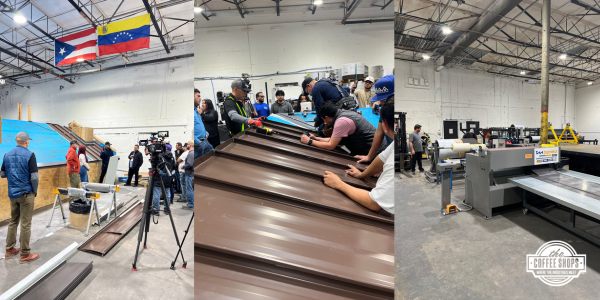
The metal building industry is experiencing unprecedented growth, fueled by demand for durability, sustainability and design flexibility. At the center of this momentum is a critical but often underrecognized segment of the supply chain: steel coil service centers. These operations are no longer just warehouses for raw material, they are strategic partners enabling innovation, speed to market and the rise of regional fabrication.
From metal roofing and wall panels to architectural components and outdoor living products, steel coil service centers are powering the next generation of metal construction. The global steel service center market has grown into a massive economic engine, valued at over $300 billion and projected to exceed $450 billion over the next decade. In the United States alone, thousands of service centers process more than 100 million metric tons of steel annually. What is most important for the metal building industry is that more than half of all structural steel flows through these centers before reaching fabricators or job sites. That makes them essential to everything from pre-engineered metal buildings to custom sheet metal fabrication.
At their core, steel coil service centers act as the bridge between steel mills and manufacturers. Mills produce large volumes of steel coil, but contractors, roll formers and fabricators need material in precise sizes, coatings and finishes. Service centers fill that gap by purchasing bulk coil and transforming it into usable products through slitting, cut-to-length processing, leveling and coating. This value-added processing now represents a significant portion of their revenue and is one of the primary reasons they are becoming so important to the industry.
For metal building manufacturers, this means faster access to the exact material they need. Instead of waiting for mill production runs or ordering quantities that exceed project requirements, they can source slit coil and processed steel on demand. This flexibility is critical in today’s environment where speed to job completion can define profitability.
The impact is especially evident in metal roofing and wall systems. The explosion of color options, coatings and profiles seen across the industry is directly tied to the capabilities of service centers. Advanced coil coating technologies and precision slitting allow manufacturers to produce everything from standing seam panels to highly customized architectural façades. This has opened the door for greater design creativity while maintaining the performance benefits that make metal such a strong solution.
Service centers are also playing a major role in the growth of local and regional sheet metal shops. As demand for architectural metal, custom trim and specialized fabrication increases, smaller shops are stepping in to meet that need. Service centers support this trend by providing manageable quantities of material, quick turnaround times and localized inventory. This regionalization of supply chains is helping contractors respond faster to market demand while reducing transportation costs and delays.
Another key advantage is how service centers help stabilize the industry in times of volatility. Steel pricing has remained unpredictable, influenced by global supply chains, tariffs, energy costs and economic shifts. By holding inventory and offering flexible purchasing options, service centers act as a buffer for fabricators and contractors. They also provide credit and financing support, allowing businesses to manage cash flow while keeping projects moving forward.
Technology is accelerating this evolution. Many service centers have invested heavily in automation, robotics and advanced processing equipment. Digital inventory systems and forecasting tools enable real-time visibility into material availability, helping manufacturers plan more efficiently. Some centers are even integrating laser cutting and precision fabrication capabilities, further blurring the line between distribution and manufacturing.
These advancements are critical as the metal building industry continues to expand into new applications. Outdoor living is a perfect example, with increased use of metal for garage doors, barn doors, pergolas and structural components. Service centers supply the coil that makes these products possible, often supporting fire-resistant and high-performance designs that are becoming more important in today’s building environment.
Looking ahead, the role of steel coil service centers will only continue to grow. Construction remains the largest consumer of steel, and within that sector, metal buildings, roofing and siding are gaining market share. At the same time, trends such as prefabrication, modular construction and sustainable building practices are increasing the need for precision-processed materials delivered quickly and efficiently.
Service centers are uniquely positioned to meet these demands. They provide flexibility, speed and customization that modern construction requires, while supporting the expansion of regional fabrication and innovation in design. In many ways, they have become the backbone of the metal building supply chain.
For contractors, manufacturers and fabricators, understanding the value of steel coil service centers is key to staying competitive. These partners are not just supplying material, they are enabling growth, reducing risk and helping the industry deliver better buildings faster.
Stay up to date with the latest industry news when you sign up for the Coffee Shop eNews.
About the author

As CEO of The Coffee Shops, Heidi has been working and writing in the construction industry for over 30 years. She is active in many associations including founding National Women in Roofing and Roofing Technology Think Tank (RT3). She is passionate about helping to shine a light on the construction industry and creating win-win-win scenarios!
Recommended For You
Choosing the right material for a rounded roof
Read More ...
How much are your services worth?
Read More ...
More than a business owner: Be a bold leader
Read More ...
UP TO THE MINUTE






Comments
Leave a Reply
Have an account? Login to leave a comment!
Sign In