






The underlying factor behind high-performance metal roofing systems
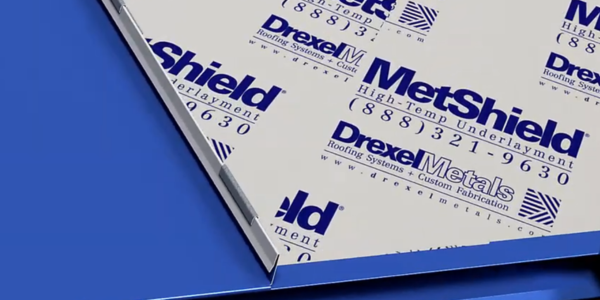
By Drexel Metals.
Drexel Metals highlights the critical role underlayment plays in protecting and enhancing residential metal roofing systems.
When designing a high-performance residential metal roof, contractors and architects often focus on panel profiles, coatings and structural durability. However, according to roofing experts at Drexel Metals, one of the most important contributors to long-term roof performance is what sits beneath the panels: the underlayment. This hidden component plays a critical role in protecting the roof assembly from moisture, heat transfer and environmental stress while helping the entire system perform as intended.
For both new construction and reroofing projects, selecting the right underlayment is essential to maximizing the lifespan of a metal roofing system. Roofing technology continues to evolve, and underlayment products have improved significantly over the past several decades. While traditional roofing materials may last 15 to 30 years, modern metal roofs can remain in service for 50 to 70 years or more. Because of that longevity, contractors must choose underlayment systems that can match the durability and performance expectations of today’s metal roofing solutions.
The following is a guide to picking the right underlayment for a project’s needs.
What is underlayment, and where does it fit in a roofing system?
Underlayment is a protective layer installed between the roof deck and the surface roofing material (i.e. the metal roof panels). Ultimately, it contributes to the overall health of a roof system. In addition to providing a smoother surface for the metal panels to be installed on top of, underlayment maximizes the performance capabilities a metal roof offers by doing these things:
- Provides a secondary barrier against moisture and condensation
- Self-seals around roofing nails, screws and roofing clips to prevent water intrusion
- Mitigates heat transfer from structural roofing elements for increased efficiency
- Offers sound-deadening properties to dampen noise transfer from the outside
What kinds of underlayment are available for metal roofing systems?
While metal roofs deliver long-term value on their own merit, underlayment still provides a must-have critical layer of protection. Contractors are encouraged to select a modern synthetic underlayment with self-sealing and high-temperature properties for a metal roof. This type of underlayment has a lifespan that is comparable to the long service life of metal roofing panels. With a self-healing underlayment, contractors have less risk of creating holes that allow moisture in. This is important for installation efforts and accommodating future roof upgrades.
Which underlayment is the best for extreme climates?
Underlayment with high-temperature properties can withstand temperatures of up to 250°F without degradation, ensuring structures in even the hottest locations are protected. This type of underlayment is often UV-resistant to reduce damage from direct sunlight. Further, most high-temperature underlayment resists tearing and can stretch upwards of 250%. As such, tested products like MetShield® HT are essential for homes in Arizona, New Mexico, Texas, Southern California and anywhere else that experiences high heat.
On the opposite end of the weather spectrum are northern climates, which often experience extreme freeze-thaw cycles that cause materials to expand and contract at different rates. In these conditions, underlayment with self-healing properties can help mitigate issues from deck expansion and contraction. They also create a secondary boundary to water intrusion from ice and snow melt.
Follow manufacturer instructions
It’s also important to note that installing underlayment according to the manufacturer’s instructions ensures that metal panels and underlayment work together without compromising weather protection. While installation can vary slightly between systems, it is typically recommended that contractors install an underlayment horizontally across the roof deck and work from the bottom to the top, overlapping strips of underlayment to ensure full effectiveness. For all areas of installation, contractors are encouraged to install underlayment using corrosion-resistant cap nails with a minimum 1-inch diameter cap, unless the product is self-adhered.
Original article and photo source: Drexel Metals
Learn more about Drexel Metals in their Coffee Shop Directory or visit www.drexmet.com.
Recommended For You
Polyglass USA, Inc. Unveils Ground-Breaking Building Envelope Solutions
Read More ...
Unveiling the power of metal panel roofing
Read More ...
Emphasizing innovation and contractor-friendly design
Read More ...
UP TO THE MINUTE




Comments
Leave a Reply
Have an account? Login to leave a comment!
Sign In