




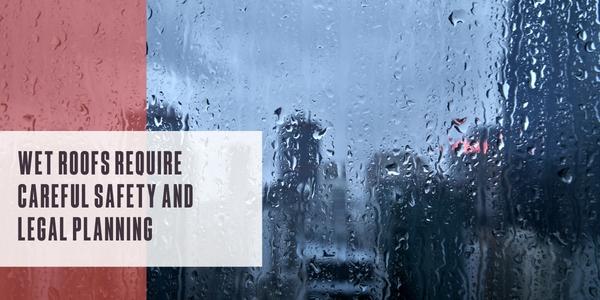
Wet roofs require careful safety and legal planning
By Jesse Sanchez.
Rain can turn underlayment, roof decks and access points into serious hazards, making inspection, communication and documentation critical for roofing contractors.
Rain is an unavoidable part of roofing, but the greater danger may come after the rain stops. Florida Roofing and Sheet Metal Contractors Association (FRSA) highlights how wet underlayment, roof decks, ladders and staging areas can quickly become slippery, creating safety risks for workers and potential legal exposure for contractors.
Underlayment deserves particular attention because water-shedding performance does not necessarily make it a safe walking surface. Rain and roofing debris can reduce traction, especially on steep-slope roofs or near valleys and edges. Contractors should treat wet underlayment as a heightened hazard rather than a normal work surface.
Daily jobsite evaluations are an important first step. Contractors should inspect roof surfaces and access points before work begins and reassess conditions after rain. The decision to resume work should depend not simply on whether the rain has stopped but whether surfaces are dry enough for safe access.
Clear procedures can also help crews respond consistently. Workers should use appropriate footwear, maintain three points of contact on ladders and avoid loads that interfere with visibility or balance. When hazards cannot be controlled, work on the affected portion of the project should stop.
Contract language can provide additional protection by giving contractors authority to suspend work because of weather or unsafe conditions and restrict access to active work areas. Contractors should also communicate those restrictions to owners, consultants and other individuals involved in projects.
Written notices, photographs and daily reports can document rain events, unsafe conditions, access restrictions and resulting delays. Contractors should also distinguish between temporary weather protection and safe access, since a dry-in condition does not necessarily mean a roof is safe for foot traffic.
This information is for general informational purposes only and does not constitute legal advice. Contractors should consult legal counsel regarding requirements that apply to their projects and jurisdictions.
Learn more about Florida Roofing and Sheet Metal Contractors Association (FRSA) in their Coffee Shop Directory or visit www.floridaroof.com.
About the author

Jesse is a writer for The Coffee Shops. When he is not writing and learning about the roofing industry, he can be found powerlifting, playing saxophone or reading a good book.
Recommended For You
Worker Health and SPF Chemicals
Read More ...
Quality and Safety in American-made Metal Roofing
Read More ...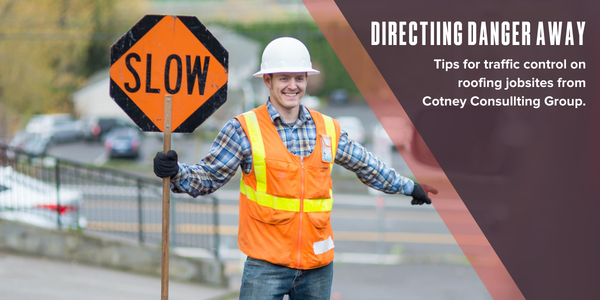
Directing danger away
Read More ...
UP TO THE MINUTE





Comments
Leave a Reply
Have an account? Login to leave a comment!
Sign In