





Finding the right fit
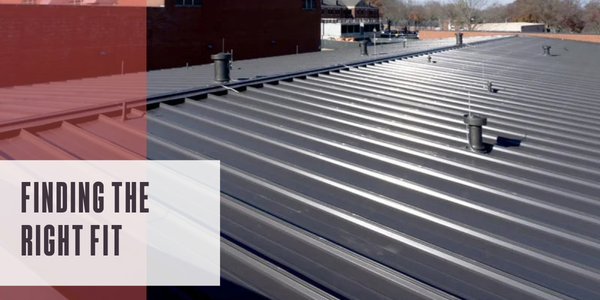
Taking a closer look at the MasterLok line of standing seam panels for low-slope commercial roofing.
In low-slope commercial roofing projects, it’s important to consider the intricate role panel design and quality will play when it comes to getting the most exact measurements. With seam configuration as a top-of-mind factor, panels such as the MasterLok-90 and MasterLok-FS from McElroy Metal are the ideal trapezoidal standing seam panel systems for the job. Each panel system is designed with low-slope applications in mind and offers different seam configurations based on your project needs.
McElroy Metal breaks down the core differences and components of each panel profile, offering a better look at how to determine which panel is right for your project needs.
What is the MasterLok Standing Seam System?
MasterLok-90 and MasterLok-FS share the same trapezoidal standing seam panel profile and feature a 3" rib height. Both panels are designed for roof slopes as low as 1/4:12 and are intended for simple sloped roofs without dormers, hips, valleys or other special conditions.
Both systems can be installed over solid decking or open framing, allowing them to be used in a variety of low-slope roofing assemblies.
Within that shared platform, the difference between the two panels lies in seam configuration.
MasterLok-90
MasterLok-90 (ML-90) is a snap-together trapezoidal standing seam system. The panel uses the same trapezoidal geometry found across the MasterLok family and is designed for low-slope roofing applications.
This system is commonly used on commercial and industrial buildings with low-slope roof assemblies, including projects with long panel runs and complex roof layouts. It may be considered for new construction or recover applications when project conditions allow.
From an installation standpoint, proper panel alignment and engagement are important for supporting the system's long-term performance. Careful attention to installation details helps ensure the panels are installed in accordance with manufacturer guidelines and perform as intended over time.
How does MasterLok-FS differ from MasterLok-90?
MasterLok-FS uses the same panel geometry as MasterLok-90 but features a mechanically seamed configuration. This distinction sets it apart from the snap-together design used in MasterLok-90 while maintaining the same overall panel geometry.
With MasterLok-FS:
- Panels are installed by engaging the factory-formed edge
- Final mechanical seaming is completed after placement
As with any mechanically seamed standing seam system, proper installation in accordance with manufacturer guidelines is important to ensure the panels are properly engaged.
Learn about seaming tool rental.
Comparing MasterLok-90 and MasterLok-FS for low-slope commercial roofing
The primary difference between MasterLok-90 and MasterLok-FS is how the seam is formed and completed.
- MasterLok-90: snap together trapezoidal standing seam system
- MasterLok-FS: features a mechanically seamed configuration
Neither system is intended to replace the other. Instead, each supports different testing and project requirements. MasterLok-FS systems typically offer improved uplift and weather-tightness performance, so they're popular in coastal and high wind applications. In contrast, MasterLok-90 offers a quicker installation and lower overall cost.
Low-slope design considerations for standing seam metal roofing
Low-slope metal roofing systems require careful planning beyond the panel profile itself. When working with MasterLok systems, contractors should consider:
- Minimum slope requirements
- Substrate preparation and condition
- Underlayment selection and compatibility
- Penetration, edge and transition detailing
- Drainage paths and roof geometry
Early coordination between the contractor, design team and manufacturer can help reduce field adjustments and support predictable installation outcomes.
What is the MoistureLok® anti-condensation option?
MasterLok-90 and MasterLok-FS are available with the MoistureLok® anti-condensation option. MoistureLok is a factory-applied feature designed to help manage condensation that may form on the underside of metal roof panels.
The MoistureLok material is applied to the underside of the panel during manufacturing and is designed to absorb and store moisture until conditions allow it to evaporate. This option can be used in applications where condensation management is an important consideration.
Selecting the right MasterLok system for your low-slope roofing project
For contractors, choosing between MasterLok-90 and MasterLok-FS is a project-specific decision. Both systems are engineered to address the challenges associated with low-slope metal roofing, but each offers a different approach to installation and different strengths.
Understanding how seam formation, jobsite workflow and detailing requirements differ between the two systems allows contractors to make informed recommendations and plan installations more effectively. Matching the system to the project's conditions, rather than forcing it beyond its intended use, remains the most reliable path to long-term roof performance.
Original article source: McElroy Metal
Learn more about McElroy Metal in their Coffee Shop Directory or visit www.mcelroymetal.com.
Recommended For You
The Benefits of Automated Coil Processing Machines
Read More ...
New AeroNet™ ventilation mat for roofing and siding offers an innovative, whole-house solution for building envelope protection
Read More ...
Built for every region and every requirement
Read More ...
UP TO THE MINUTE





Comments
Leave a Reply
Have an account? Login to leave a comment!
Sign In