







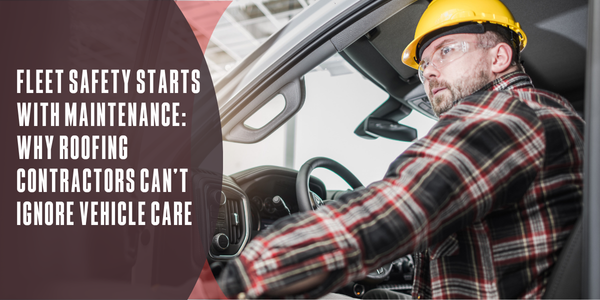
Fleet safety starts with maintenance: Why roofing contractors can't ignore vehicle care
By Cotney Consulting Group.
In roofing, your tools may be on the roof, but your first step toward safety is the ride that gets you there.
Roofing is a high-risk business; most safety conversations focus on what happens on the roof. However, many contractors overlook one of the most critical links in the safety chain: the company vehicle. Whether you run a single service van or a fleet of trucks and trailers, keeping your vehicles in peak condition is essential for safety, productivity and professionalism.
Breakdowns don't just delay jobs. They put crews at risk, cost money and can lead to violations, citations or worse. That's why vehicle maintenance isn't just a shopresponsibility. It's a frontline safety priority.
Let's examine how preventive maintenance keeps your roofing operation rolling and your crews protected.
Why it matters in roofing
Roofing vehicles do more than move people from point A to point B. They haul heavy equipment, transport hazardous materials like hot asphalt and often double as mobile tool sheds. Unlike a personal car, these vehicles are exposed to higher loads, longer idle times, rougher jobsite terrain and tighter schedules.
Failure to maintain them can lead to:
- On-road breakdowns or tire blowouts
- Overheating during hot summer months
- Brake failures under heavy loads
- Lost productivity and missed job deadlines
- Fines or citations from roadside inspections
- Increased insurance liability in the event of accidents
In short, your truck is an extension of your crew and deserves the same care.
The core of preventive maintenance
Preventive maintenance (PM) isn't complicated. It's about spotting problems before they lead to breakdowns. A structured PM program includes:
- Regular oil changes based on mileage and workload
- Transmission and brake fluid checks
- Tire inspections (tread depth, pressure, alignment)
- Battery testing, especially before seasonal changes
- Lighting, wipers and mirror checks
- Cooling system checks for leaks or low coolant
- Brake system inspections for wear or grinding noises
- Suspension checks on vehicles frequently loaded with tools or trailers
The goal is simple: Catch small issues before they become big and expensive problems.
Daily inspections: First line of defense
The day starts in the driver's seat before a roofer sets foot on a ladder. A quick walk-around inspection should be part of the daily routine.
What to check before hitting the road:
- Are tires properly inflated and free of damage?
- Do brake lights, turn signals and headlights work?
- Is there any sign of fluid leaks beneath the vehicle?
- Are mirrors and windows clean and properly adjusted?
- Are all tools, ladders and materials securely stored?
- Are registration, insurance and inspection documents up to date?
Encourage drivers or crew leaders to document these checks. Simple logs can save big headaches down the road.
Watch for red flags
Some signs of vehicle trouble develop gradually, while others strike without warning. Train your team to report symptoms like:
- Squealing brakes
- Hard starts or dim lights
- Strange smells, such as burning oil or coolant
- Unusual tire wear or steering pull
- Overheating, especially during idle times
- Dashboard warning lights that go unchecked
Crews shouldn't "just deal with it" until something fails. Encourage open reporting and follow-up on every concern, even minor ones.
Trailer and ladder rack safety
Roofing trucks often tow trailers or carry heavy ladders, which introduce additional maintenance concerns:
- Check trailer tires, brakes and lights regularly
- Ensure hitch pins and safety chains are intact
- Inspect ladder racks for cracks, rust or loose hardware
- Secure all ladders, tools and materials before moving
Improperly loaded or maintained trailers and racks can result in on-road accidents or lost equipment.
Create a maintenance schedule
If you're running multiple vehicles, a centralized maintenance calendar is key. Track:
- Mileage-based services (e.g., oil every 5,000 miles)
- Quarterly inspections
- Seasonal checklists (e.g., winter battery check, summer coolant levels)
- Registration and DOT inspection due dates
Apps and fleet management software make this easier and reduce the risk of forgotten services.
Maintenance is a culture
Like fall protection or heat illness awareness, vehicle care must be part of your safety culture. That means:
- Reinforcing its importance during safety meetings
- Recognizing crews that report issues early
- Disciplining careless vehicle use or neglect
- Including vehicle care in onboarding for drivers
When your team sees that maintenance is expected and respected, they'll follow suit.
Don't let the wheels fall off
Roofers are known for their grit and work ethic, but even the hardest working crew can be stopped cold by a flat tire or blown engine. And when that failure results in an accident, citation or injury, the cost can far outweigh a missed oil change.
Maintenance isn't a chore; it's an investment. One that keeps your team safe, your gear protected and your business moving forward. In roofing, your tools may be on the roof, but your first step toward safety is the ride that gets you there.
Learn more about Cotney Consulting Group in their Coffee Shop Directory or visit www.cotneyconsulting.com.
Recommended For You

How roofing contractors can foster a safer work environment
Read More ...
Safety Checklist for Roofing Work - Part One
Read More ...
Wet roofs require careful safety and legal planning
Read More ...
UP TO THE MINUTE







Comments
Leave a Reply
Have an account? Login to leave a comment!
Sign In