





How code knowledge protects roofing profits
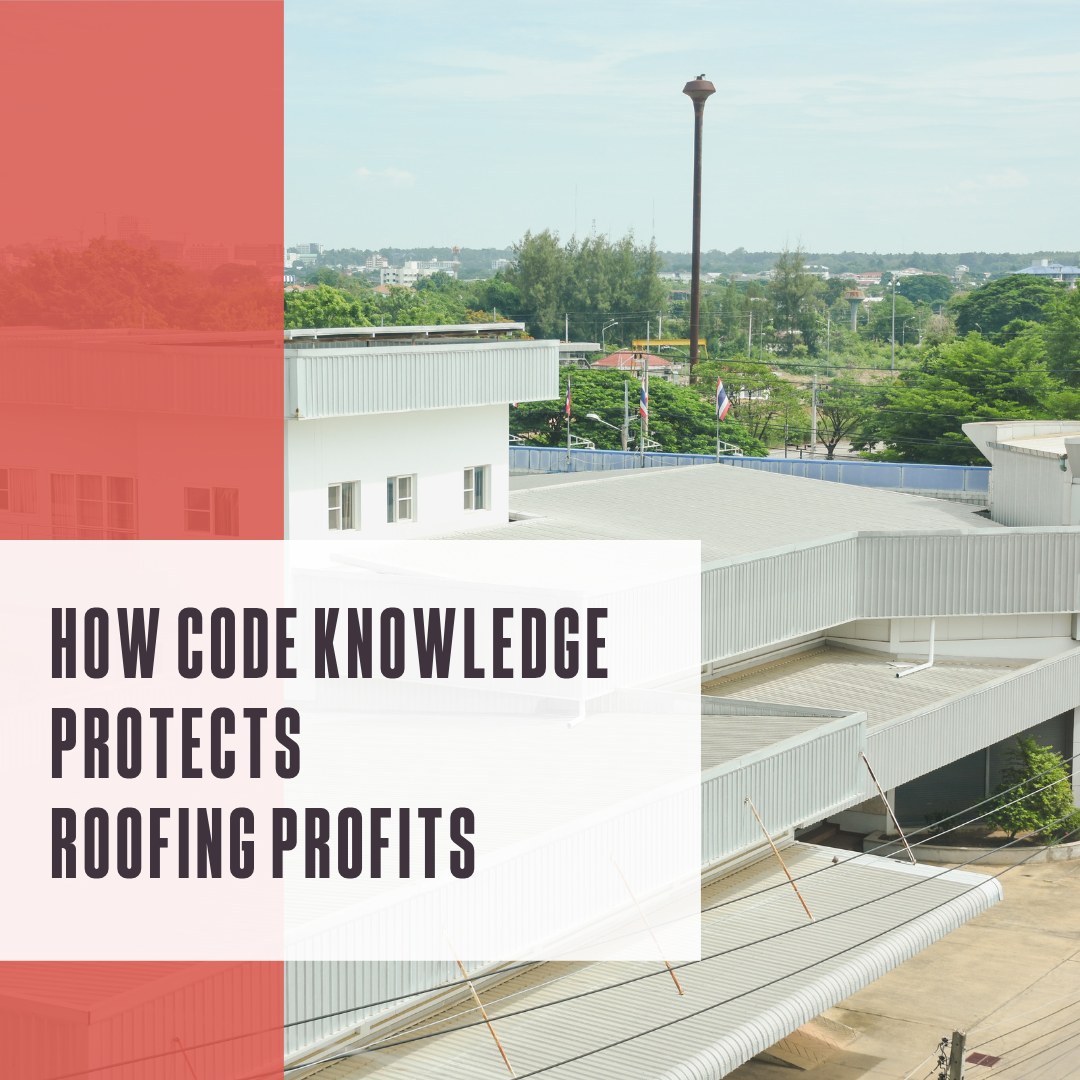
By Jesse Sanchez.
A mandated roof replacement can create costs far beyond the price of the installation itself.
Roof replacements are expected when systems reach the end of their service life, but replacing a newly installed roof for a technical violation presents an entirely different challenge for contractors.
Mike Silvers, CPRC, owner of Silvers Systems Inc. and Florida Roofing and Sheet Metal Contractors Association (FRSA) technical director, explains in an article that a new roof may have to be replaced because of building code provisions or manufacturer installation requirements that were not met. Problems are often discovered during inspections or shortly after installation.
The financial impact can extend well beyond the replacement cost. Mike uses a $10,000 replacement as an example. For a company earning a 5% net profit, recovering that $10,000 would require $200,000 in future work. During that period, the profit generated by those projects is effectively being used to absorb the earlier loss.
Contractors can reduce their exposure by strengthening their understanding of applicable codes and installation requirements. In Florida, that responsibility is complicated by differing requirements within the High Velocity Hurricane Zone (HVHZ), which includes Miami-Dade and Broward counties, as well as local interpretations among building departments throughout the state.
Clear permit applications can also help. Mike recommends providing a concise project scope and the appropriate product approval so plans examiners have an opportunity to identify potential compliance problems before work proceeds.
Receiving a permit or passing inspections does not eliminate a contractor’s responsibility to comply with technical requirements. The Florida Building Code states that issuance of a permit does not authorize violations or prevent a building official from later requiring corrections.
Mike also recommends considering a narrower range of roof coverings and working with manufacturers that provide strong technical support, particularly representatives familiar with local requirements.
The potential consequences include not only replacement expenses but also damage to a contractor’s reputation and possible insurance implications, making technical knowledge an important part of protecting the business.
Learn more about Florida Roofing and Sheet Metal Contractors Association (FRSA) in their Coffee Shop Directory or visit www.floridaroof.com.
About the author

Jesse is a writer for The Coffee Shops. When he is not writing and learning about the roofing industry, he can be found powerlifting, playing saxophone or reading a good book.
Recommended For You
Choosing the right tool for the job
Read More ...
Choosing the right metal roofing tools for your toolbox!
Read More ...
Discovering the Components and Benefits of Metal Roofing Systems
Read More ...
UP TO THE MINUTE



Comments
Leave a Reply
Have an account? Login to leave a comment!
Sign In