







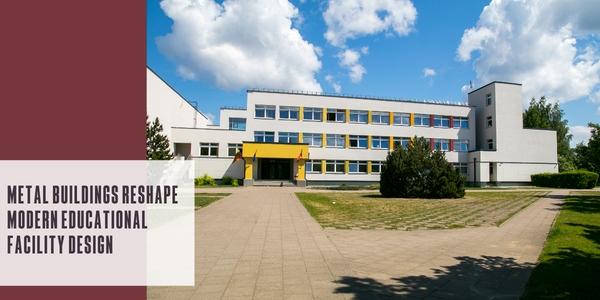
Metal buildings reshape modern educational facility design
By Jesse Sanchez.
One case study examines how flexibility, speed and performance are redefining campus construction.
As educational institutions adjust to evolving learning models and heightened performance expectations, the built environment is changing with them. What once centered on permanence and standardization is now defined by adaptability, efficiency and long-term functionality. A recent case study from the Metal Building Manufacturers Association (MBMA) captures that shift, highlighting how metal building systems are increasingly aligned with the operational and instructional demands shaping modern K-12 and higher education campuses.
That shift becomes most visible at the classroom level, where space must now support a wider range of learning behaviors. Static layouts are giving way to environments that accommodate individual focus, group collaboration and technology-driven instruction within the same footprint. According to the case study, modern classrooms are expected to support digital research, hands-on experimentation and creative work simultaneously. Within that context, structural flexibility becomes essential. Metal building systems allow interior walls and layouts to be adjusted with minimal disruption, enabling spaces to evolve in step with curriculum changes and teaching methods.
As design priorities expand, performance considerations are extending beyond layout into the conditions that shape the learning experience. Indoor air quality and access to natural light are now central to how educational spaces are evaluated, particularly as post-pandemic standards continue to influence building strategies. The case study points to the use of operable windows and skylights to improve airflow, reduce dependence on artificial lighting and support student alertness. These features are no longer treated as optional enhancements but as integral components of effective learning environments.
At the same time, the pressure to deliver projects on schedule is intensifying. For expanding school networks, construction timelines are closely tied to enrollment cycles and academic calendars. The case study outlines how metal building systems streamline delivery by allowing design and procurement phases to overlap. Steel can be ordered during the permitting process rather than after approvals are secured, compressing timelines and enabling completion in approximately 10 months from notice-to-proceed in some cases.
That efficiency carries through the construction phase. With fewer trades required, coordination becomes more manageable and structures can be enclosed more quickly. Earlier enclosure allows interior systems to be installed sooner, reducing exposure to weather delays and helping projects maintain momentum. For schools working against fixed opening dates, that level of predictability is critical.
Beyond initial construction, long-term adaptability remains a defining advantage. Educational facilities must respond to shifting enrollment, program expansion and changing instructional needs. The case study highlights how metal building systems support that reality by allowing additions to be completed through the removal of existing walls and the extension of structural frames. This approach reduces both disruption and cost, making it easier for campuses to grow without interrupting ongoing operations.
Together, these factors reflect a broader recalibration in how educational buildings are conceived and delivered. As institutions continue to evolve, the systems that support them must provide the same level of flexibility and resilience. In that context, adaptability, speed and performance are no longer competitive advantages; they are foundational requirements shaping the future of campus construction.
Learn more about the Metal Building Manufacturers Association (MBMA) in their Coffee Shop Directory or visit www.mbma.com.
About the author

Jesse is a writer for The Coffee Shops. When he is not writing and learning about the roofing industry, he can be found powerlifting, playing saxophone or reading a good book.
Recommended For You
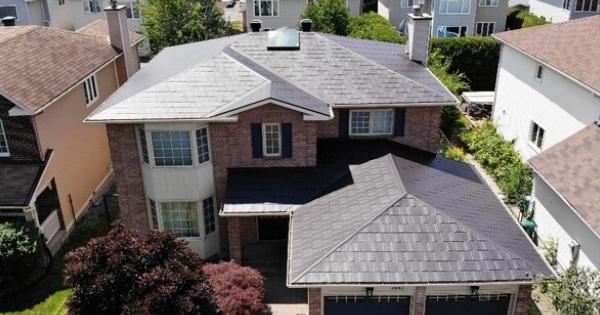
Strength, Style & Security: Making a Smart Investment for a Cold Climate and Hot Housing Market
Read More ...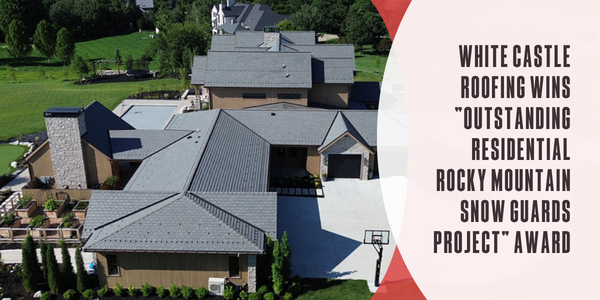
White Castle Roofing wins “Outstanding Residential Rocky Mountain Snow Guards Project” award
Read More ...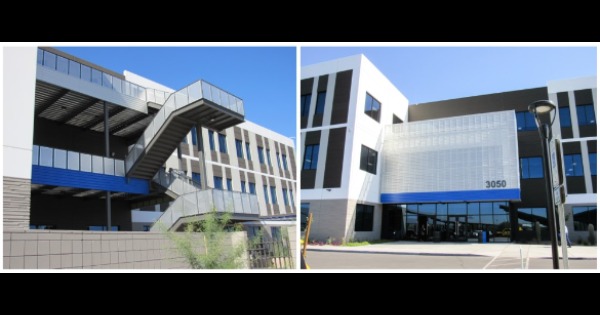
Durable and Attractive Metal Chosen to Accent New Regional Corporate Headquarters
Read More ...
UP TO THE MINUTE




Comments
Leave a Reply
Have an account? Login to leave a comment!
Sign In