


Sustainability and resilience: The real value behind modern cold form steel building systems
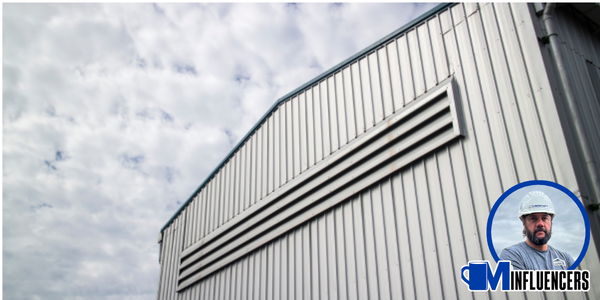
MCS Influencer Corey Lincoln says metal offers a smarter, stronger path forward without limiting design.
In the cold‑formed steel building world (CFB), we spend plenty of time talking about strength, efficiency and clean construction — but sustainability and resilience are quickly becoming just as important. Not because the industry is chasing buzzwords, but because CFB systems genuinely deliver long‑term financial and environmental advantages that other construction methods struggle to match.
Metal’s resilience isn’t just a structural perk, it’s a financial one. Steel doesn’t rot, warp, burn or attract pests, and that kind of durability pays off over the life of a building. Less maintenance, fewer repairs, fewer surprises — it all adds up. Insurance carriers have started to recognize that, especially in regions dealing with high winds, heavy snow or wildfire risk. A metal structure simply carries a lower risk profile, and that often translates into better premiums, stronger coverage options and long‑term savings that keep stacking year after year.
Sustainability ties into that same story. Steel is one of the most recyclable building materials on the planet, and modern manufacturing allows us to use it with minimal waste. Combine that with energy‑efficient roof and wall systems, reflective coatings and the ability to integrate solar cleanly, and you end up with a building that performs better and costs less to operate. More builders and owners are connecting the dots: sustainability isn’t just about being “green.” It’s about lowering energy bills, qualifying for energy credits and investing in a structure that holds its value for decades.
The long‑term value of sustainable metal systems is getting harder to ignore. Whether it’s a rancher putting up a shop that will outlast him, a business owner trying to cut operating costs or an architect designing for coastal or wildfire‑prone environments, metal offers a smarter, stronger path forward without limiting design.
Picture a G90‑coated light‑gauge steel structure that’s quick to manufacture, easy to deliver and fast to erect.Pair that with Kynar/PVDF‑coated roof and wall panels, and you’ve got a building designed to last multiple lifetimes. CFB aren’t just tough. They’re financially and environmentally resilient. When you combine sustainability with strength, you end up with a building system built for the future.
Corey Lincoln is the owner of Ohana Steel Buildings. Read his full bio here.
Recommended For You
Resilience has value — But contractors need to prove it
Read More ...
Joining the metal bandwagon
Read More ...
Solar-ready metal roofing offers a financial and environmental advantage
Read More ...
UP TO THE MINUTE




Comments
Leave a Reply
Have an account? Login to leave a comment!
Sign In