




Local sheet metal shops on the rise: How demand for metal construction is reshaping fabrication
By Heidi J. Ellsworth.
Regional fabricators are expanding as metal construction drives new opportunities.
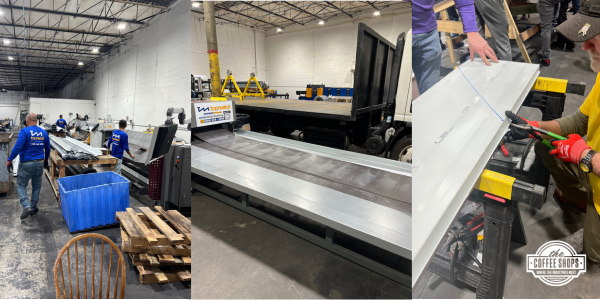
Across North America and beyond, local and regional sheet metal shops are seeing renewed growth as demand for metal construction continues to accelerate. From roofing and siding to architectural metal and building envelope systems, the increasing use of metal is reshaping not only how buildings are constructed but also how fabrication is delivered.
The data supports what contractors and manufacturers are seeing in the field. The global sheet metal market is growing at approximately 4.8% annually, with construction representing one of the largest end-use segments. At the same time, broader market projections show even stronger long-term expansion, with the industry expected to grow at 6–7% annually through 2030, driven largely by building and construction demand.
This growth is being fueled by the increasing adoption of metal across the building envelope. Metal roofing, wall panels, soffits, trim and architectural features are all, seeing expanded use due to durability, sustainability and performance. As these systems become more complex, they require more precise, customized fabrication, creating a surge in demand for sheet metal shops at the local and regional level.
In fact, fabrication itself is accelerating. Industry forecasts indicate that metal fabrication production could grow by over 5.5% in 2026 alone, signaling a strong rebound tied to construction and manufacturing activity. This is particularly important for roofing and siding contractors who rely on fast, accurate fabrication for flashing, trim and custom details that cannot be standardized across projects.
Another key driver is the shift toward localized supply chains. With ongoing pressure on lead times and logistics, contractors and manufacturers are increasingly turning to nearby fabricators who can deliver faster turnaround and greater flexibility. This is creating opportunities for regional sheet metal shops to expand capabilities, invest in automation and capture more value within their markets.
At the same time, the industry is seeing a parallel trend toward consolidation at the national level. Metal fabrication and manufacturing have become highly active sectors for mergers and acquisitions, with hundreds of transactions across manufacturing in recent years as companies look to scale, invest in technology and secure supply chains. Larger organizations are acquiring regional shops to expand geographic reach and capabilities, while private equity continues to invest in fabrication businesses that offer specialized or high-margin services.
This dual trend of local growth alongside national consolidation is defining the future of the industry. Smaller and mid-sized sheet metal shops are thriving by focusing on customization, speed and close relationships with contractors. While larger manufacturers are building networks of fabrication facilities to serve national and regional demand more efficiently.
Technology is also playing a major role. Advances in CNC machinery, laser cutting and automated fabrication systems are allowing shops to increase output, improve precision and reduce waste. These investments are enabling regional fabricators to compete at a higher level while meeting the growing demands of modern construction.
For metal building professionals, the impact is clear. Sheet metal shops are no longer just suppliers. They are becoming essential partners in delivering high-performance buildings and building envelopes. As metal continues to gain share across erecting, roofing, siding and architectural applications, the need for skilled, responsive fabrication will only increase.
The result is a strong and sustainable growth path for local and regional sheet metal shops. Driven by construction demand, supported by technology and shaped by consolidation trends, these fabricators are positioned to play a critical role in the future of metal construction.
Stay up to date with the latest industry news when you sign up for the Coffee Shop eNews.
About the author

As CEO of The Coffee Shops, Heidi has been working and writing in the construction industry for over 30 years. She is active in many associations including founding National Women in Roofing and Roofing Technology Think Tank (RT3). She is passionate about helping to shine a light on the construction industry and creating win-win-win scenarios!
Recommended For You
How strong production planning protects margins
Read More ...
Why roofing service divisions feel busy but struggle to be predictable
Read More ...
Maximizing opportunities in K-12 facility construction
Read More ...
UP TO THE MINUTE





Comments
Leave a Reply
Have an account? Login to leave a comment!
Sign In