




Make quick work of insurance claims with EasyFrame
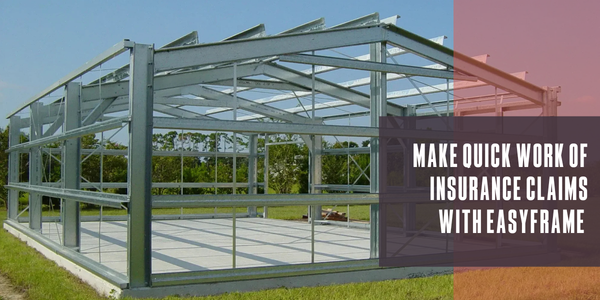
Working with insurance companies can be a hassle, but EasyFrame Metal Buildings are the ideal solution for buyers looking for a reliable structure that meets all of the criteria for their insurance policy.
It’s not easy working with insurance companies, especially when it comes to financing a building project. Standards must be met, both financially and with the quality of materials going into the structure. EasyFrame Metal Buildings from McElroy Metal are the ultimate solution for those looking to get the most out of their investment, both now and in the long run.
This article provides a general understanding of how insurance companies determine rates and how EasyFrame Metal Buildings can offer savings compared to other building types.
While not always the case, EasyFrame Metal Buildings often boast a cheaper insurance rate than a traditional post-frame building. In turn, it's worth taking the time to talk to local agents and get a sense of how EasyFrame Metal Buildings stack up to other building types in your market.
What matters to the insurance companies
Anyone who has ever purchased insurance knows that there is no simple formula for calculating rates. Insurance costs are based on several factors that are constantly in flux. These factors include the structure's location, age, value and the risk of theft or damage.
When it comes to damage, the most common risk factors are:
- Hail
- Heavy winds (including tornadoes and hurricanes)
- Water/ flooding
- Fire
- Ice and snow loads
- Termites
In each of these circumstances, steel offers a significant advantage over wood structures.
Combustibility
The primary risk factor when it comes to insurance is fire resistance. Insurance companies classify buildings based on their combustibility. If your building is less than 15,000 square feet, your insurance rate will be based primarily on this classification.
- Construction Class 1, frame: "Buildings with exterior walls of noncombustible or slow-burning construction with combustible floors and roof or walls and roofs with composite assemblies that include both combustible and noncombustible materials."
- Construction Class 2, joined masonry: "Exterior walls are constructed of fire-resistive materials rated at not less than one hour or masonry with combustible floors and roof."
- Construction Class 3, noncombustible: "Exterior walls, floors and roof are constructed of noncombustible or slow-burning materials or are supported by noncombustible or slow-burning supports."
- Construction Class 4, masonry noncombustible: "Exterior walls of fire-resistive construction rated at not less than one hour or masonry not less than four inches thick, with noncombustible or slow-burning floors and roof."
- Construction Class 5, modified fire resistive: "Exterior walls, floors and roof constructed of materials described in Construction Class 6 fire-resistive, but there are deficiencies in thickness and a fire resistance rating of less than two hours, but not less than one hour."
- Construction Class 6, fire-resistive: "Solid masonry walls not less than four inches thick or hollow masonry walls not less than eight inches thick or assemblies with a fire resistance rating of not less than two hours. The floor and roof assemblies have a fire resistance rating of not less than two hours. Horizontal and vertical load-bearing, protected metal supports with a fire resistance rating of not less than two hours. Includes pre-stressed or post-tensioned concrete units."
EasyFrame Metal Buildings are typically considered Class 3 and will have lower risk and rates than Classes 1-2.
Class 4-6 buildings have even less risk for fire, but the cost of materials going from Class 3 to 4-6 is much greater than the gap between Class 1-2 and Class 3.
It's important to note that using less fire-resistant materials on your building may negate or impact your insurance rating negatively. EasyFrame Metal Buildings are engineered so this negative rating will not happen due to our all-steel structure.
Additional risk factors
If your building is over 15,000 square feet, other factors such as weather and natural disasters will have a bigger impact on your insurance rate. Steel structures typically receive a more favorable rating than wood.
- Earthquakes: Steel buildings offer greater strength against earthquakes than wood structures. Metal buildings tend to be less expensive and faster to rebuild in the event of a disaster, another positive consideration for insurance rates.
- Wind: Cold-formed steel buildings originated in Australia, where wind loads in cyclonic regions (C and D) are equal to or greater than the Florida hurricane codes. EasyFrame Metal Buildings are engineered to meet these rigid demands.
- Ice/snow loads: When it comes to snow and ice, steel offers greater strength than wood structures. EasyFrame Metal Buildings are engineered to meet the rigid standards of heavy snow regions across the United States and even Canada.
- Hail: Steel offers superior impact resistance protection that will not decrease over time.
- Water damage: Steel does not rot like wood and is not susceptible to mold, a significant advantage over wood structures.
- Termites: Insurance estimates put the average cost for termite damage in homes at $3000 per claim. Suffice it to say that with a steel frame, the risk of termite damage to the EasyFrame structure of a building is zero.
Commercial properties
Insurance companies take a broader approach when writing an insurance policy for commercial structures. The key factors in a commercial policy can be summed up with the acronym COPE: construction, occupancy, protection and exposure.
- Construction predominantly refers to the building materials. As we've already addressed, EasyFrame Metal Buildings are typically rated as Class 3: Non-combustible, which results in a favorable rating compared to wood.
- Occupancy considers the number of people a building can hold and the building's purpose. Buildings used to store or process combustible materials, such as a grain mill, will hurt their rate as a result. A steel structure will not negate these factors but will offer a better rate than one built with less fire-resistant materials.
- Protection refers to both public and private fire protection.
- Public: The insurance company considers your building's proximity to the nearest fire station, the caliber of the available fire department, the availability of water supply and other factors that may impact a response from first responders.
- Private: Insurance also considers fire safety systems, including sprinklers, fire alarms, fire doors and fire extinguishers.
- Exposure relates to the external hazards, including natural disasters and man-made hazards, such as local infrastructure and local crime rates. While the use of steel offers superior protection against wind, snow and other environmental risks, there's no direct impact, good or bad, when it comes to man-made hazards.
Consumer history
Insurance companies run a credit check and review the property owner's history to determine whether the individual is a good risk. Bad credit, a poor claims history and other factors can also negatively impact the price of insurance.
A consumer's history would obviously have a negative impact on any building type, so a buyer perceived as a risk would likely still pay less for a steel structure, provided they're not using combustible materials on the exterior.
EasyFrame Metal Buildings advantages
When it comes to the most critical factors that matter to insurance, EasyFrame Metal Buildings offer significant advantages over wood structures. Combustibility is often the primary concern, but other factors, such as wind and snow loads, water damage and termites, are also top considerations.
Steel buildings typically offer savings over wood structures in terms of insurance costs. That said, every building is unique based on its geographic location, intended purpose and even the buyer's history. Consult with a local insurance agent to get a better gauge on the value of EasyFrame Metal Buildings in your market before sharing any specifics with your buyers.
Original article source: McElroy Metal
Learn more about McElroy Metal in their Coffee Shop Directory or visit www.mcelroymetal.com.
Recommended For You
A manufacturer’s promise to protect your project
Read More ...
New PVDF Edge Metal Systems Announced
Read More ...
Bringing installation-ready accessories to FRSA
Read More ...
UP TO THE MINUTE




Comments
Leave a Reply
Have an account? Login to leave a comment!
Sign In