



Turning safety rules into personal responsibility
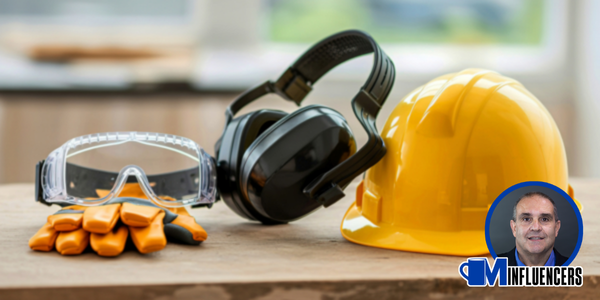
MCS Influencer John Kenney says that, at the end of the day, safety and workforce culture are inseparable.
Safety in metal construction isn’t just about rules, PPE or checking boxes on a form. Those things matter, but they’re not what keep people safe when conditions change, schedules tighten or pressure shows up on the job. Absolute safety starts much earlier than the jobsite. It begins with how crews see themselves, how they see their role and whether they believe safety belongs to them personally or to “the company.”
I’ve learned over the years that you can’t enforce a safety culture; you have to build one. The strongest crews I’ve worked with don’t work safely because someone is watching. They work safely because it’s part of who they are. They identify as professionals, not just installers and professionals protect themselves, their coworkers and the work they’re proud of.
That mindset doesn’t happen by accident. It starts with leadership making safety personal rather than procedural. When safety is treated as a policy, crews comply when it’s convenient. When it’s tied to identity, going home whole, being there for family and being respected as a skilled tradesperson, it sticks. Crews need to hear, consistently, that safety isn’t about slowing them down. It’s about keeping them in the game for the long haul.
One of the biggest mistakes companies make is measuring safety only by incident reports. Low numbers don’t always mean a strong safety culture. Sometimes they mean underreporting or luck. Real safety performance shows up in everyday behaviors. Are crews speaking up when something doesn’t look right? Are near-misses being discussed openly rather than brushed off? Are supervisors correcting issues early or waiting until something goes wrong?
The companies that do this sound track leading indicators, not just lagging ones. They pay attention to training participation, job hazard analyses, toolbox talk engagement and field observations. They treat safety conversations as routine rather than reactive. When you normalize those discussions, you remove the fear and replace it with accountability.
Personal ownership is another piece that separates average programs from effective ones. Crews don’t take ownership of safety when it’s dictated to them. They take ownership when they’re involved. That means asking for their input on jobsite risks, listening to how work is actually performed and adjusting plans accordingly. Metal work, especially, comes with unique hazards: sharp edges, heat, height and exposure to weather. The people doing the job every day know where the real risks are.
When supervisors and crew leads are empowered to stop work, adjust sequencing, or change access without fear of backlash, safety becomes real. That kind of trust doesn’t slow production. It protects it. Fewer injuries mean fewer disruptions, stronger morale and better retention, something every contractor is fighting for right now.
Communication sits at the center of all of this. Safety expectations can’t live in a manual or a once-a-year meeting. They have to be reinforced in daily conversations, pre-task planning and post-job reviews. Clear, direct communication builds consistency. It also builds trust. Crews are far more likely to speak up when they know their concerns won’t be dismissed or ignored.
I’ve also seen safety culture strengthened when leaders share their own experiences, close calls, lessons learned and mistakes they don’t want repeated. That honesty carries weight. It shows crews that safety isn’t about blame; it’s about learning and improving together.
At the end of the day, safety and workforce culture are inseparable. You can’t build one without the other. A strong safety culture tells your people they matter. It tells them that their skills are valued and that their well-being is non-negotiable. In an industry that demands precision, toughness and pride, that message goes a long way.
Metal construction will always carry risk. But when safety becomes part of how your crews see themselves, not just how they’re managed, you don’t just reduce incidents. You build a workforce that takes pride in doing the job right and doing it safely, every single day.
John Kenney is the CEO of Cotney Consulting Group. See his full bio here.
Recommended For You
Safety starts with identity: Why AC478 matters
Read More ...
Building a culture of safety in cold-formed metal structures: A personal responsibility
Read More ...
When safety is tied to identity
Read More ...
UP TO THE MINUTE




Comments
Leave a Reply
Have an account? Login to leave a comment!
Sign In