






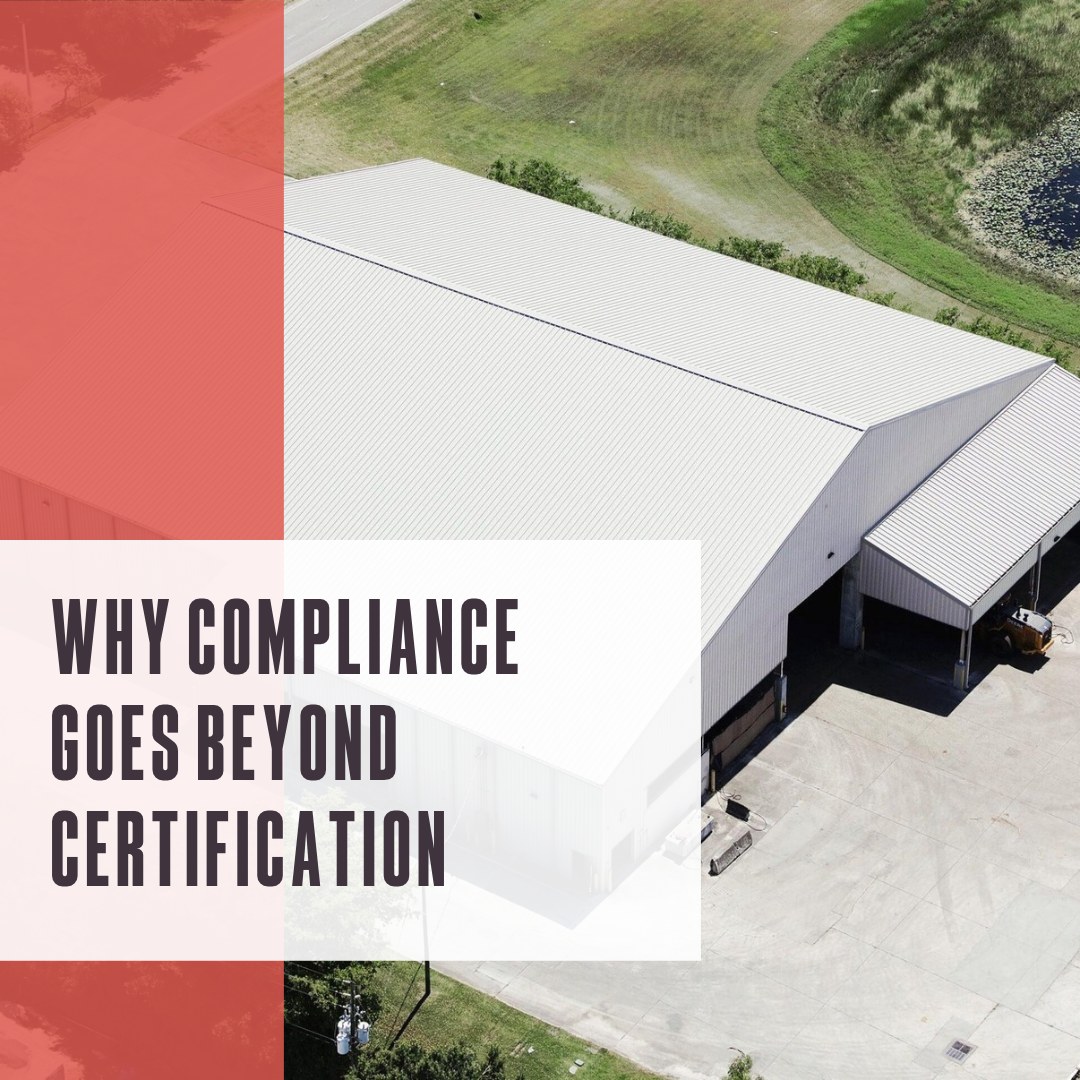
Why compliance goes beyond certification
By Jesse Sanchez.
Understanding product approval limits and wind uplift requirements helps contractors select roofing systems that meet Florida’s building codes.
A Florida Product Approval Number may help contractors secure a roofing permit, but approval alone does not guarantee that a roofing system meets the wind uplift requirements of a specific project. According to Dale Nelson of Roof Hugger, understanding this distinction is critical when selecting materials for new construction and reroofing projects, particularly in regions prone to severe wind conditions. Florida Product Approvals and Notices of Acceptance (NOAs) establish a product’s limits of use, including its maximum design pressure under specific installation conditions. To ensure compliance, contractors must evaluate those limitations against the wind uplift pressures required by the Florida Building Code (FBC) and High Velocity Hurricane Zone (HVHZ) provisions, ensuring the selected system can withstand the demands of the project.
Testing standards such as UL 580, FM 4471 and ASTM E1592 help establish roofing system performance. However, a product’s tested capacity is not necessarily its allowable design capacity. Applying a safety factor, typically 2.0, reduces the pressure value that can be used in design calculations.
Nelson illustrates this distinction by comparing two hypothetical Florida-approved standing seam metal roofing systems. In the example, a 24-inch snap-together panel cannot meet the required uplift pressures in the building’s perimeter and corner zones, regardless of attachment spacing. A 16-inch mechanically seamed panel can satisfy the requirements when installed with appropriate attachment spacing.
The comparison highlights why product selection must account for roof geometry, wind exposure, framing conditions and installation specifications. Existing buildings may also require additional framing to accommodate the selected roofing system, reinforcing the importance of evaluating the entire roof assembly rather than relying solely on product approval.
Nelson recommends determining the required wind loads for each roof zone, reviewing product approval limitations and consulting a professional engineer when necessary. Following approved installation documents is equally important, as unauthorized substitutions of fasteners, clips or panel gauges can compromise compliance.
Ultimately, Florida Product Approval is only the starting point. Matching a roofing system’s documented capabilities to project-specific requirements and following the approved installation specifications are essential to achieving code-compliant, durable roof construction.
Learn more about Roof Hugger in their Coffee Shop Directory or visit www.roofhugger.com.
About the author

Jesse is a writer for The Coffee Shops. When he is not writing and learning about the roofing industry, he can be found powerlifting, playing saxophone or reading a good book.
Recommended For You

Unlocking the value of your roofing business
Read More ...
Innovative talent development strategies in roofing manufacturing
Read More ...
Transitioning Your Business to the Next Generation
Read More ...
UP TO THE MINUTE







Comments
Leave a Reply
Have an account? Login to leave a comment!
Sign In